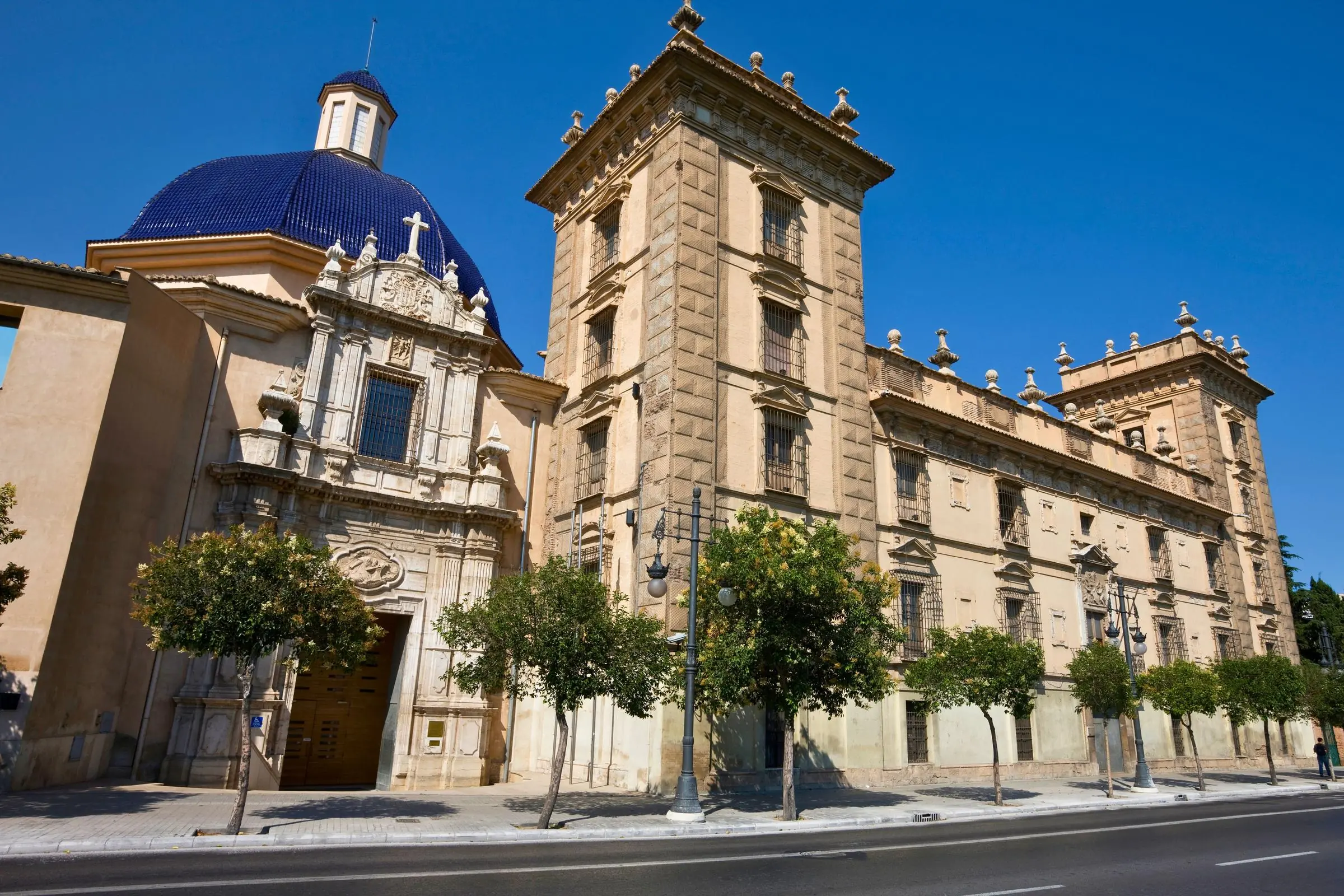
When travelers think of classical Spanish art, Madrid’s Prado usually dominates the conversation. But just a short walk across the Turia Gardens from Valencia’s historic center sits the Museo de Bellas Artes de Valencia (Museum of Fine Arts). Housed in the 17th-century San Pío V palatial estate, this is Spain’s second-largest art gallery.
Despite its size and the caliber of its collection—which spans from the 14th to the early 20th century—it remains surprisingly quiet compared to the city’s modern attractions. Even better, access to the permanent collection is completely free.
Whether you want to study the evolution of Valencian Gothic art or simply need a heavily air-conditioned retreat during a hot afternoon, here is how to navigate the museum effectively.
Is This Museum for You?
Before committing a few hours of your itinerary, it helps to know how the museum fits into different travel styles.
- For the Budget Traveler: This is one of the highest-value stops in the city. The permanent collection is 100% free, all year round. You do not need to book in advance or wait for a specific “free day.”
- For the Time-Poor: If you only have an hour, you can easily curate a short visit. Skip the sprawling Renaissance wings and head straight for the ground-floor Gothic altarpieces, then walk upstairs to the dedicated Joaquín Sorolla rooms.
- For Families: While it is a traditional, quiet art gallery (meaning no interactive exhibits for toddlers), the wide corridors, elevators, and central courtyard make it highly stroller-accessible. The courtyard is a great spot to sit if kids need a break.
Logistics Tip: The museum is closed on Mondays. Standard hours are Tuesday to Sunday, 10:00 AM to 8:00 PM. Last entry is usually 30 minutes before closing.
5 Highlights of the Fine Arts Museum
The museum’s layout is vast, and trying to see every single painting will lead to museum fatigue. To get the most out of your visit, focus on these five specific highlights.
1. Early Valencian Gothic Altarpieces (Retablos)
The ground floor is dedicated to one of the most significant collections of Gothic panels in Europe. During the 14th and 15th centuries, Valencia was an economic powerhouse, and wealthy merchants commissioned massive, gold-leafed altarpieces for local churches.
Look for the works of Miquel Alcanyís and Gonçal Peris. The level of detail in the expressions, the vibrant lapis lazuli blues, and the sheer scale of these wooden panels are striking. Because many of these pieces were rescued from convents during the 19th-century disentailment (when church properties were confiscated by the state), this museum is one of the only places you can see them preserved together.
2. The Blue-Domed Central Courtyard
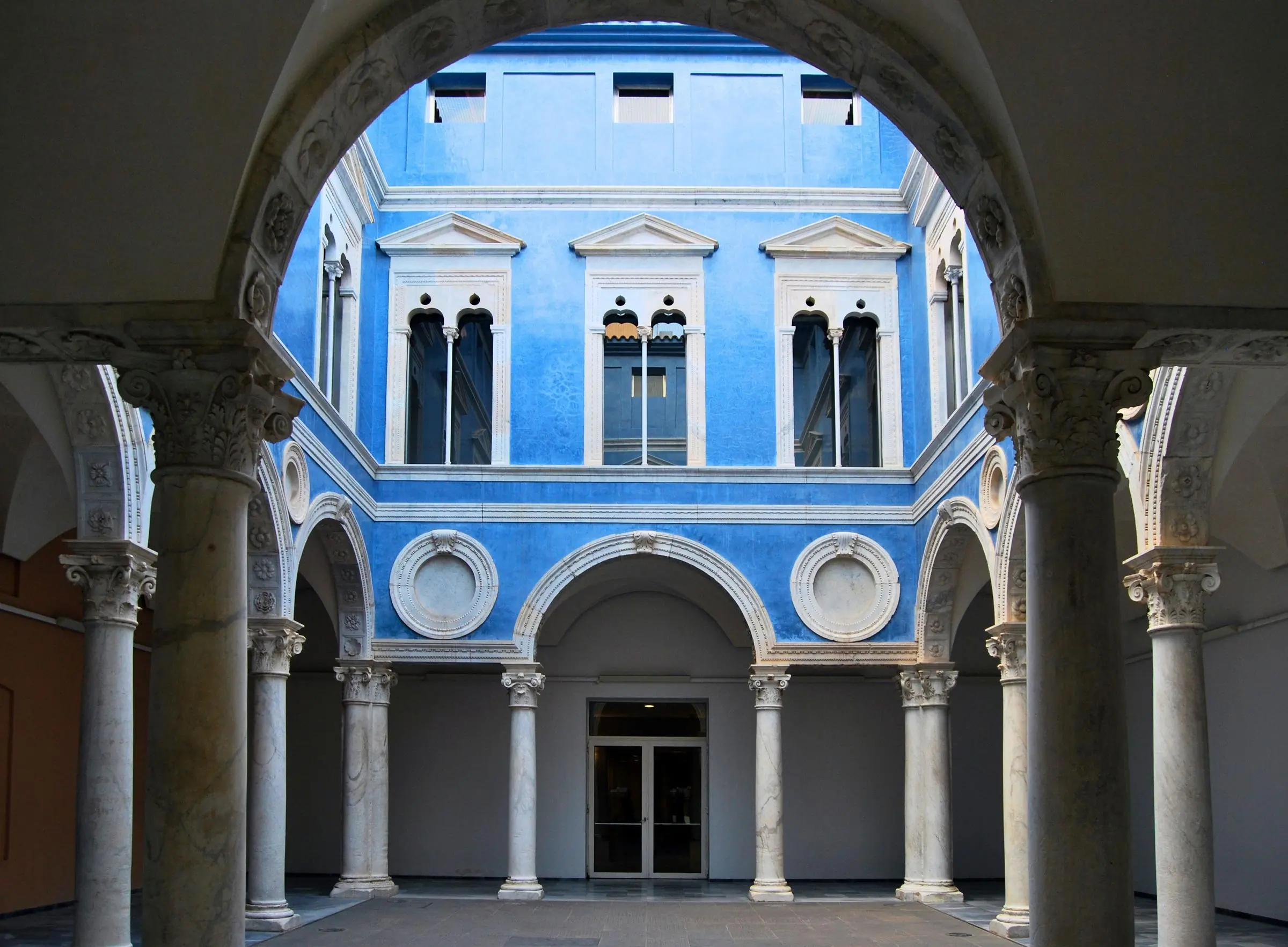
As you move between wings, you will step into the Patio del Embajador Vich. This Renaissance courtyard is an architectural exhibit in itself. Originally built in the 16th century for a local ambassador, the palace it belonged to was demolished in the 1800s. The marble columns and arches were saved, kept in storage for decades, and eventually reconstructed here inside the museum.
The courtyard is topped with a striking blue glass dome that floods the space with natural light. It is the coolest, quietest place in the building—a great spot to sit on a bench and rest your feet.
3. Velázquez Canvases
While the Prado holds the bulk of Diego Velázquez’s work, Valencia’s Fine Arts Museum features a small but vital selection. The standout is his Self-Portrait (Autorretrato). Painted around 1640, it is one of the only surviving self-portraits of the master outside of his famous inclusion in Las Meninas. It is a small, unidealized, and deeply personal painting that offers a quiet contrast to the massive religious works in the adjacent rooms.
4. Goya Portraits
Francisco de Goya is well-represented here, primarily through his portraits of Spanish nobility and local figures. Look for the portrait of Francisco Bayeu, Goya’s brother-in-law and a fellow painter. Goya’s ability to capture the psychological state of his subjects is on full display here. The brushwork is looser and more expressive than his earlier, highly formal court commissions, hinting at the darker, more modern style he would adopt later in life.
5. Sorolla Masterpieces
For many visitors, the top floor is the main event. Joaquín Sorolla is Valencia’s most celebrated painter, famous for his ability to capture the blinding, brilliant light of the Mediterranean coast.
The museum dedicates an entire wing to his work. While his former home in Madrid (the Sorolla Museum) holds a larger collection, the pieces here are deeply tied to Valencia. Look for Grupa Valenciana and his various beach scenes depicting local fishermen and children playing in the surf. Seeing these paintings after spending time at Malvarrosa Beach provides great context for how accurately he captured the local light.
The 90-Minute Express Route
⏱️ Total: 1 h 30 minGround Floor: Gothic Altarpieces
Spend your first 30 minutes absorbing the intricate gold-leaf religious panels of the early Valencian school.
The Courtyard Reset
Step into the blue-domed Patio del Embajador Vich for a 10-minute visual break away from the canvases.
First Floor: Goya & Velázquez
Head up to track down Francisco Goya’s dark portraits and early works by Diego Velázquez for 20 minutes.
Second Floor: The Sorolla Wing
Dedicate your final 30 minutes to the blinding Mediterranean light of Joaquín Sorolla’s masterworks.
Practical Logistics & Shade Tips
Valencia enjoys over 300 days of sunshine a year, which is great for the beach but brutal if you are walking across the city at 2:00 PM in July.
Beating the Heat
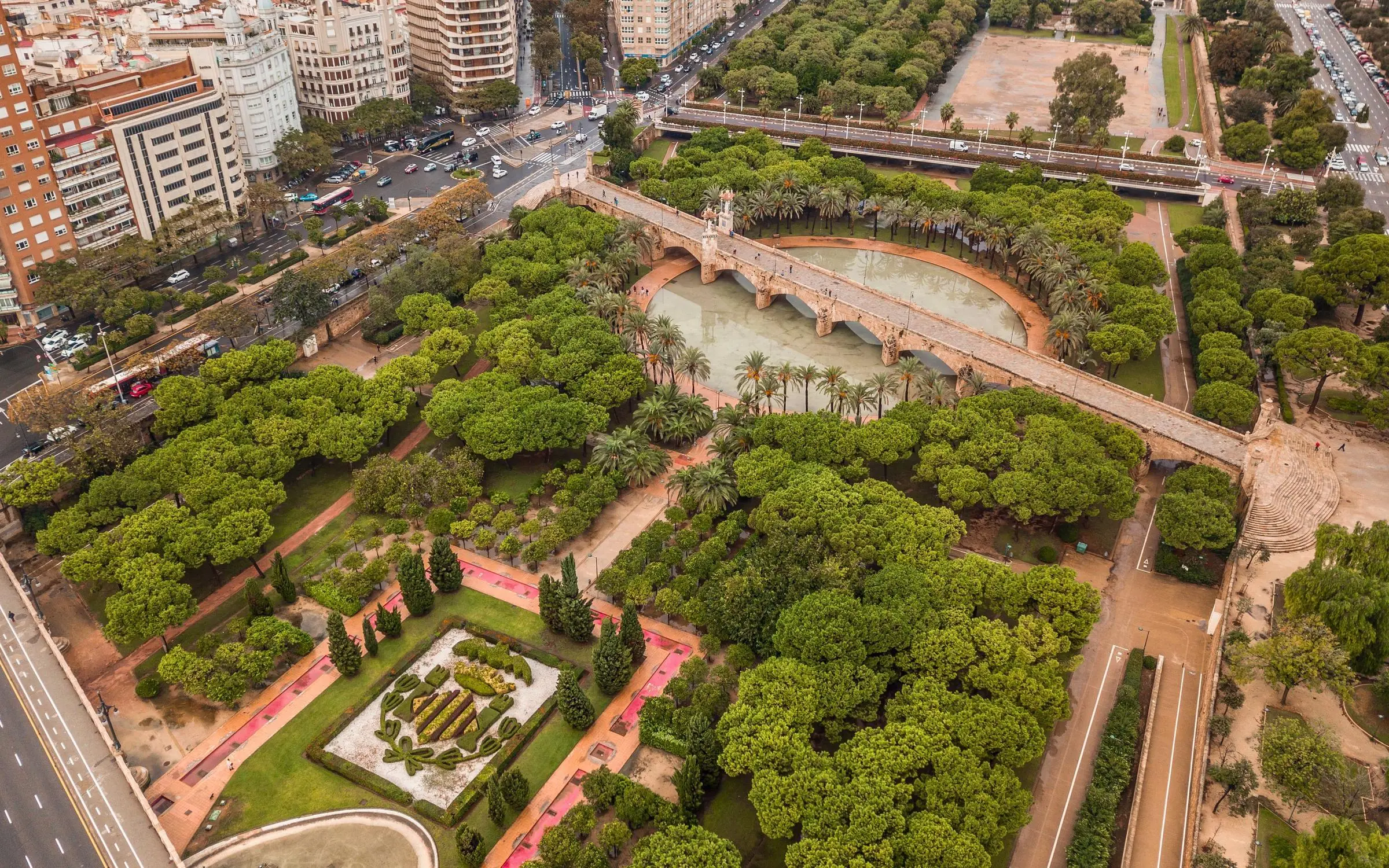
The museum is located on the north bank of the Turia riverbed. If you are walking from the historic center (Ciutat Vella), you will need to cross the river.
- The Shade Route: Do not walk on the street-level bridges (like Puente de la Trinidad) during the midday sun—there is zero shade, and the pavement radiates heat. Instead, walk down into the Turia Gardens, use the tree canopy for shade, and take the stairs up right in front of the museum entrance.
- Inside the Museum: The building is heavily air-conditioned to protect the artwork. If you are visiting during the summer, this is one of the best places in Valencia to escape the 4:00 PM heat.
Getting There
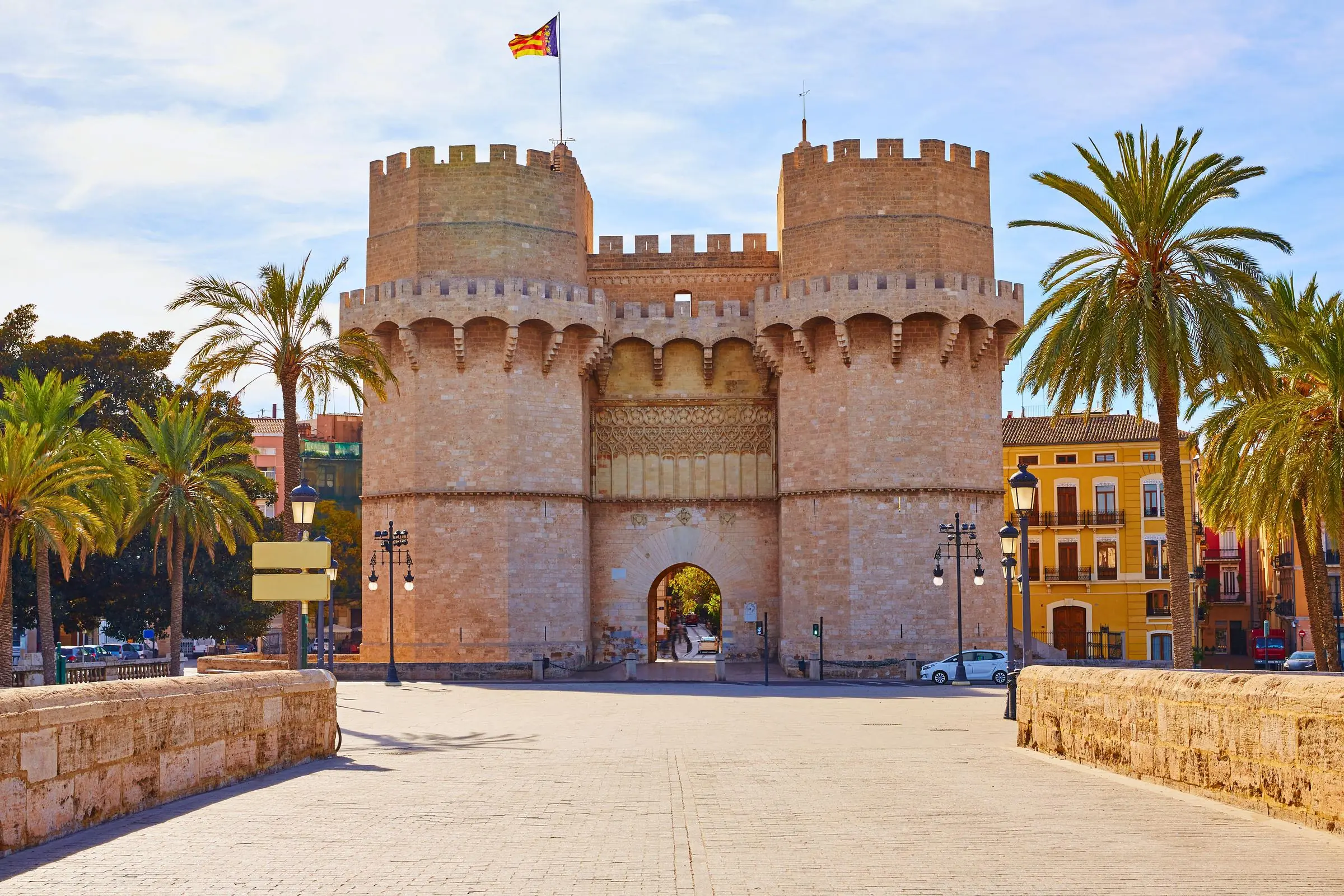
- Walking: It is a 10-minute walk from the Serranos Towers.
- Bus: EMT bus lines 11, 16, 26, 28, 79, and 95 stop very close to the entrance. If you plan to use the bus frequently, pick up a Valencia Tourist Card for unlimited taps.
- Tram: The Pont de Fusta tram station (Line 4) is a 5-minute walk behind the museum.
- Hop-On Hop-Off Bus: The 48-Hour Hop-On-Hop-Off Bus has a dedicated stop right outside the San Pío V estate.
Large backpacks and suitcases are not allowed in the galleries. The museum has small, coin-operated lockers for standard daypacks. If you are visiting on your way to the airport and have large luggage, you will need to use a luggage storage service in the old town before crossing the river.
What to Pair with the Museum
Because the museum rarely takes more than two hours to explore, it pairs perfectly with the surrounding green spaces.
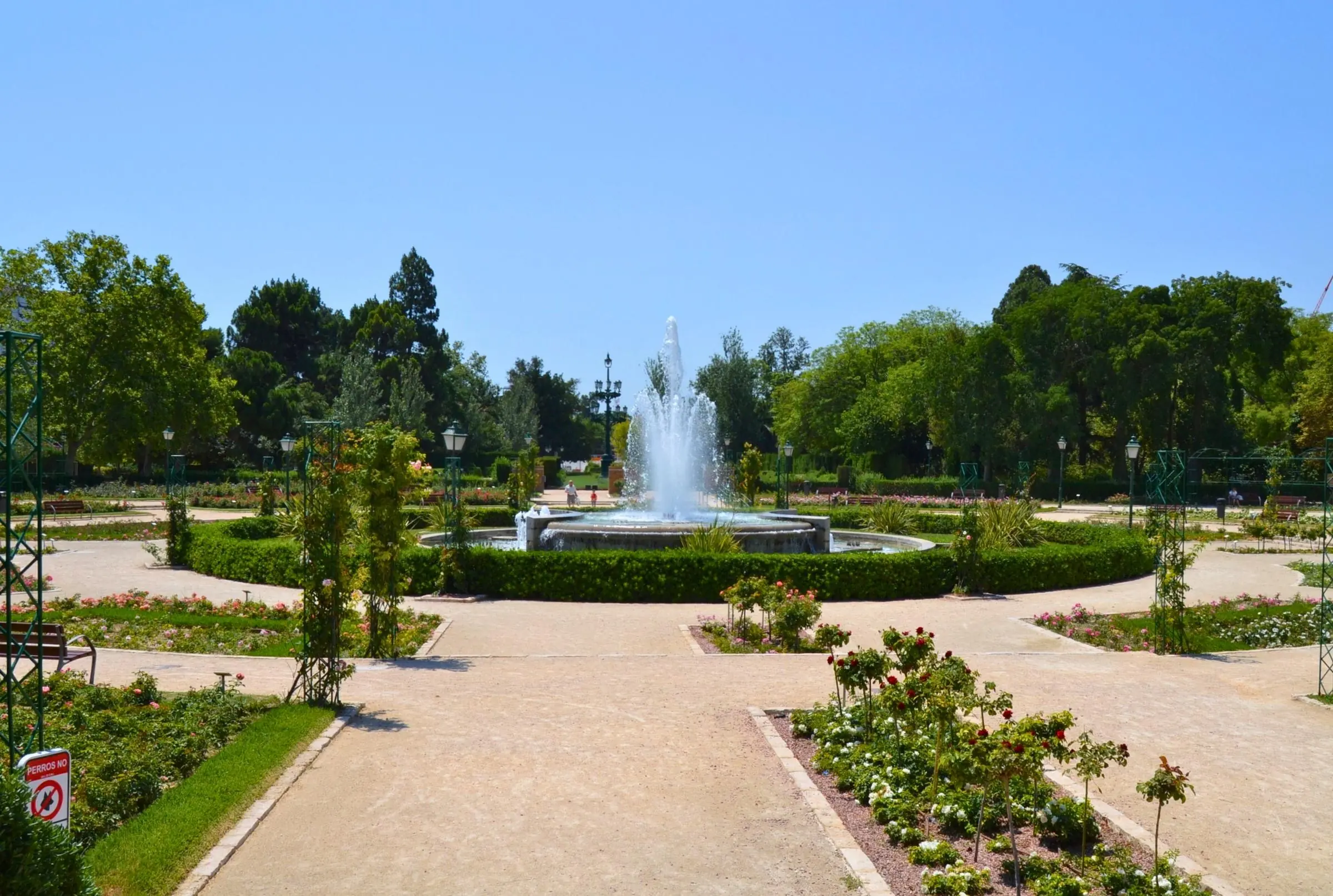
Immediately behind the museum lies the Jardines del Real (Viveros). This massive public park was once the site of the Royal Palace. Today, it features wide, shaded avenues, rose gardens, and ruins of the old palace walls. It is an excellent spot for a post-museum picnic.
If you prefer to keep moving, rent a bike and explore the 9-kilometer stretch of the Turia riverbed. The museum sits right at the midpoint of the park, making it easy to cycle east toward the City of Arts and Sciences or west toward Bioparc.
Where to Stay Nearby
The area immediately surrounding the museum (the Trinitat neighborhood) is mostly residential. It is quiet, safe, and borders the beautiful Viveros park. Staying here means you are just a 10-minute walk across the bridge into the bustling Ciutat Vella (Old Town), but you get to sleep away from the late-night noise of the tapas bars.
Use the map below to find accommodations near the museum and the Turia Gardens.
Keep Planning: If you want to stay closer to the action, check out our complete breakdown of where to stay in Valencia, comparing the Old Town, Ruzafa, and the beach districts.
FAQ
Is the Museum of Fine Arts of Valencia really free?
Yes. Entry to the permanent collection is completely free for all visitors, regardless of nationality or age. Occasionally, temporary traveling exhibitions may charge a small fee, but the main galleries (including Sorolla, Goya, and Velázquez) are always free.
How much time do I need for the Fine Arts Museum?
Most visitors spend between 1.5 and 2 hours here. Art historians could easily spend half a day, but 90 minutes is enough to see the Gothic altarpieces, the Renaissance courtyard, and the top-floor Sorolla collection without feeling rushed.
Are there guided tours available in English?
The museum itself does not offer daily scheduled English tours for walk-ins. However, all major exhibits have informational plaques in Spanish, Valencian, and English. If you want a deep dive, you will need to hire a private guide in advance.
Is the museum wheelchair and stroller accessible?
Yes. The San Pío V building has been modernized internally. There are ramps at the entrance, wide corridors, and elevators connecting all floors. Accessible restrooms are available on the ground floor.
Can I take photos inside the museum?
Yes, photography is allowed for personal use. However, you must turn off your flash, and tripods or selfie sticks are strictly prohibited to protect the artwork and other visitors.
Is there a cafe inside the museum?
There is a small cafeteria on the ground floor serving basic coffees, pastries, and sandwiches. It is fine for a quick caffeine fix, but if you want a proper meal, walk 10 minutes across the bridge into the El Carmen neighborhood where dining options are plentiful.