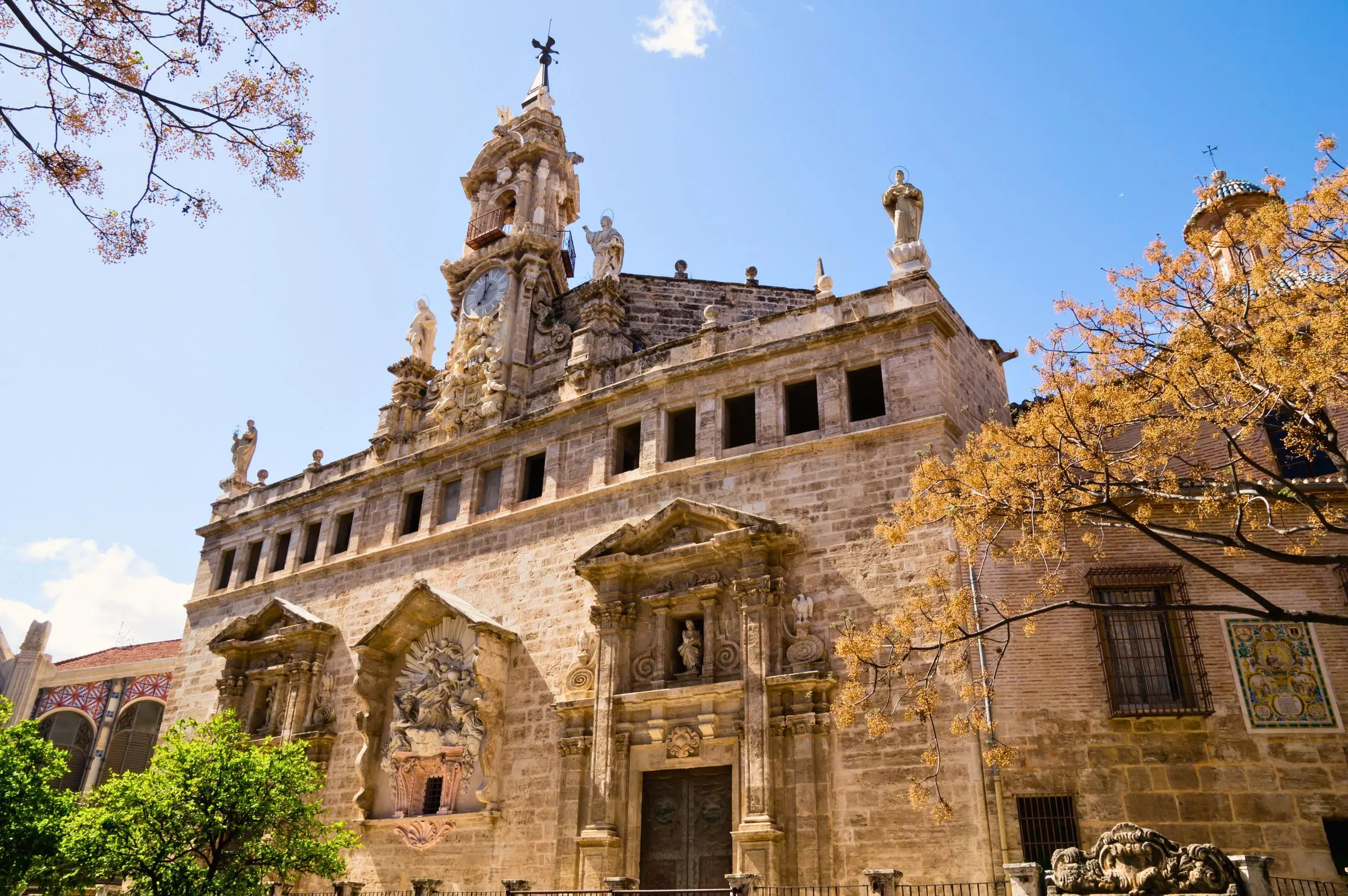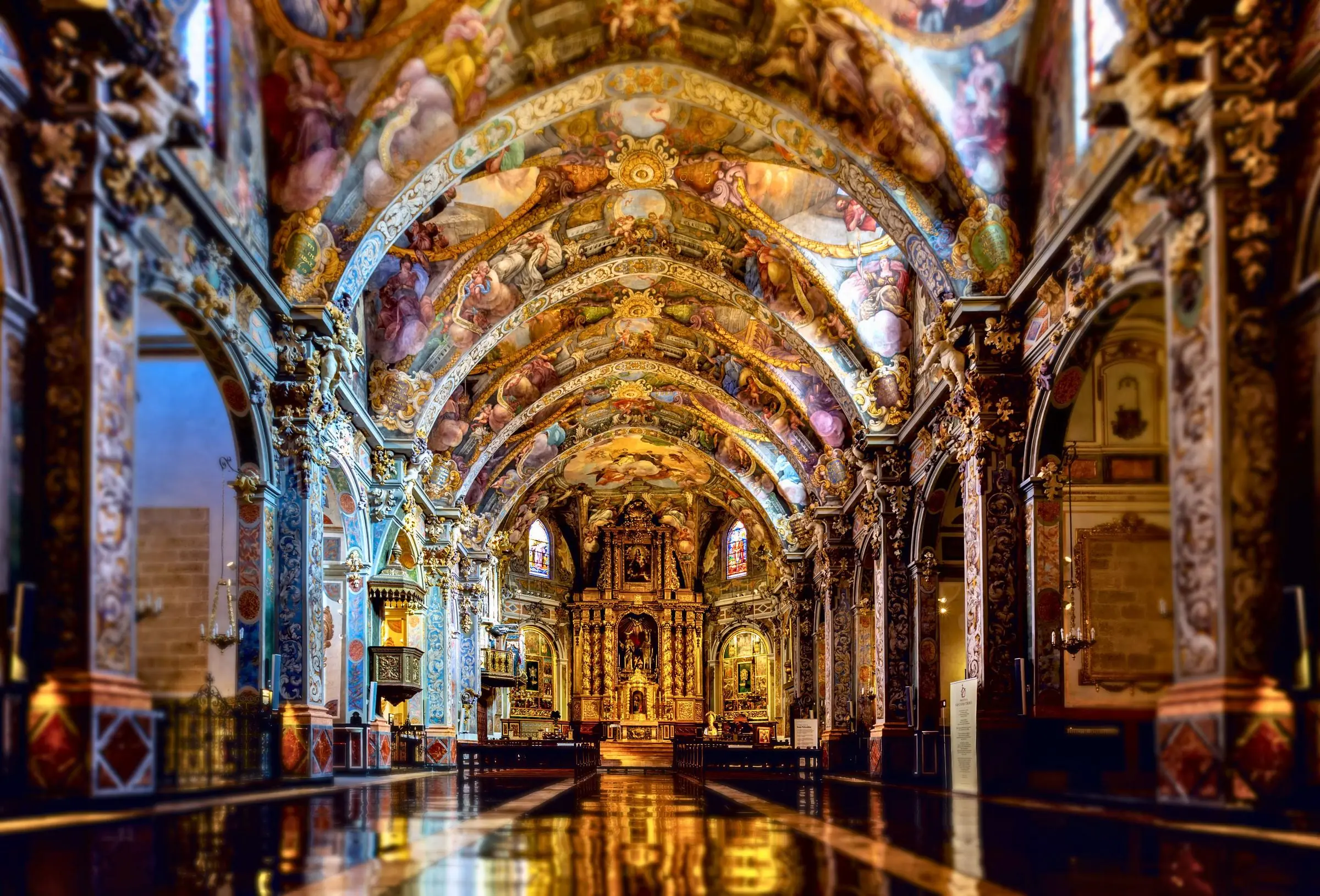
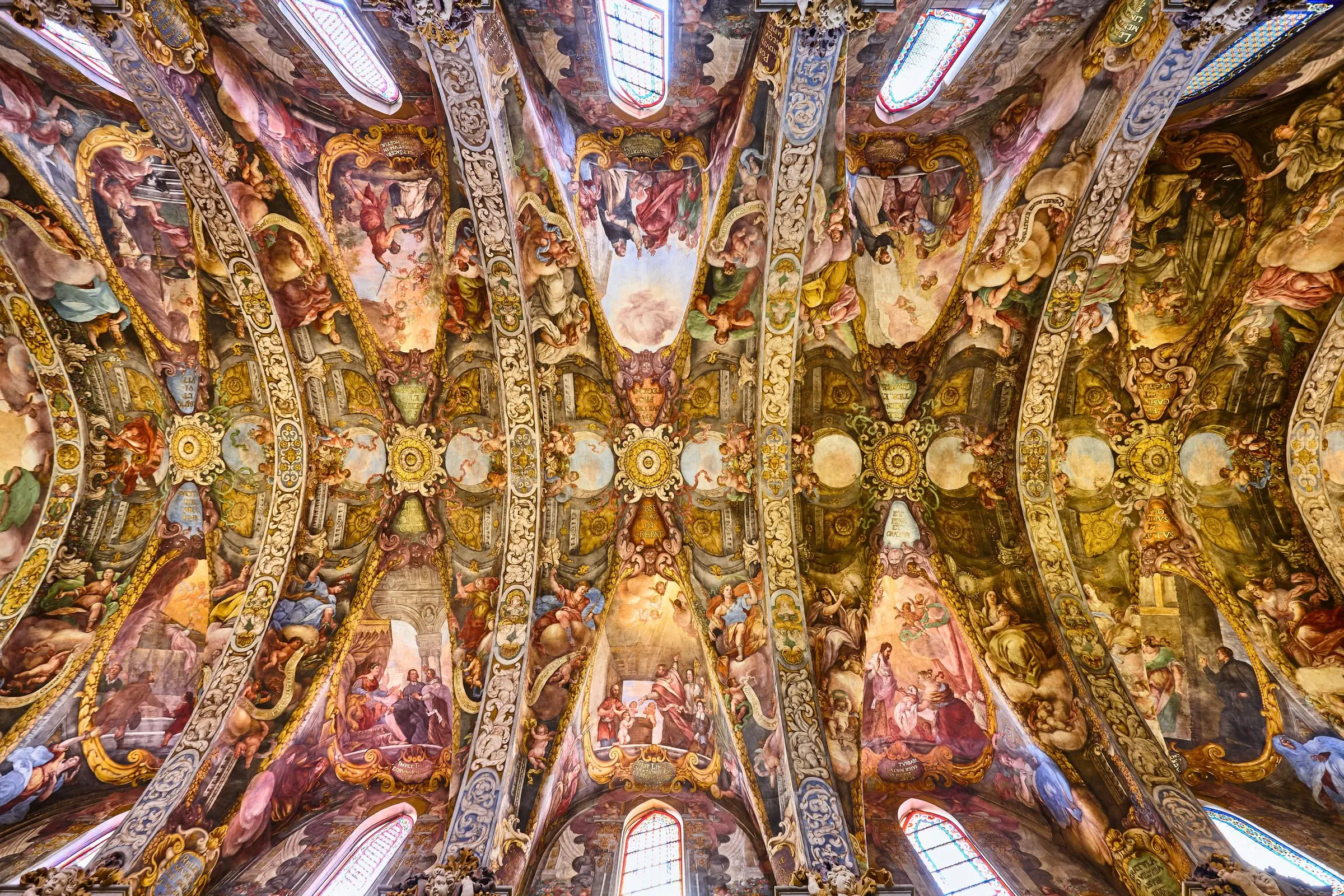
From the outside, the Church of San Nicolás de Bari and San Pedro Mártir looks like a modest, slightly weathered parish church tucked into the dense urban fabric of Valencia’s El Carmen neighborhood. But step through its unassuming doors, and the Gothic ribs of the ceiling disappear beneath 1,900 square meters of vibrant, swirling Baroque frescoes.
Often referred to as the “Sistine Chapel of Valencia,” this church underwent a massive restoration completed in 2016 by the team of Gianluigi Colalucci—the same expert who restored Michelangelo’s work in the Vatican. Today, it stands as one of the most visually dense historical sites in the city.
Because the church is actively used for worship and sits on a tight medieval street, visiting requires a bit of logistical planning. Here is exactly how to find it, what to look for on the ceiling, and which ticket makes the most sense for your trip.
Is the Church of San Nicolás for You?
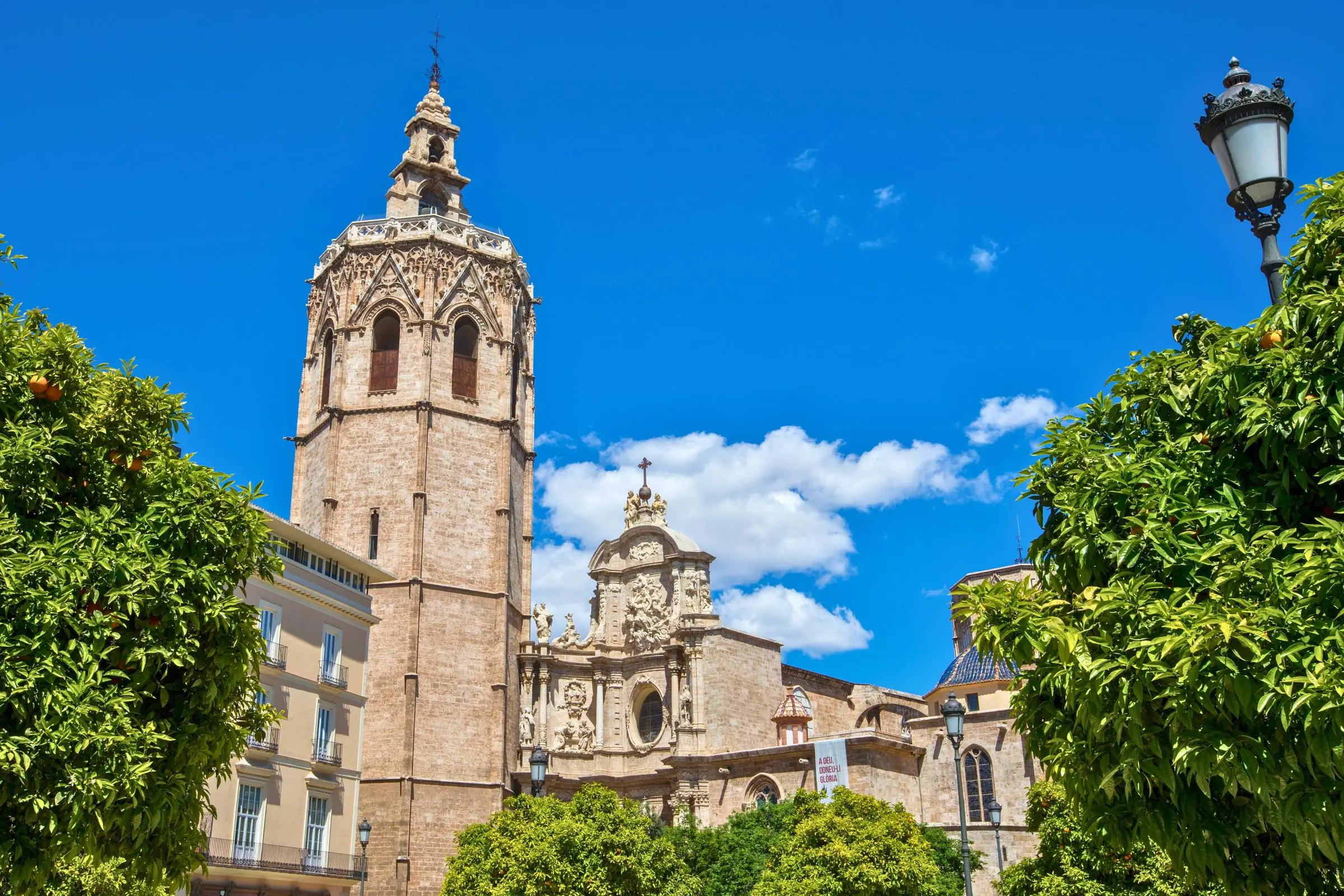
Valencia Cathedral
Navigate centuries of architectural history, a 207-step bell tower, and the chapel housing the Vatican-recognized Santo Cáliz.
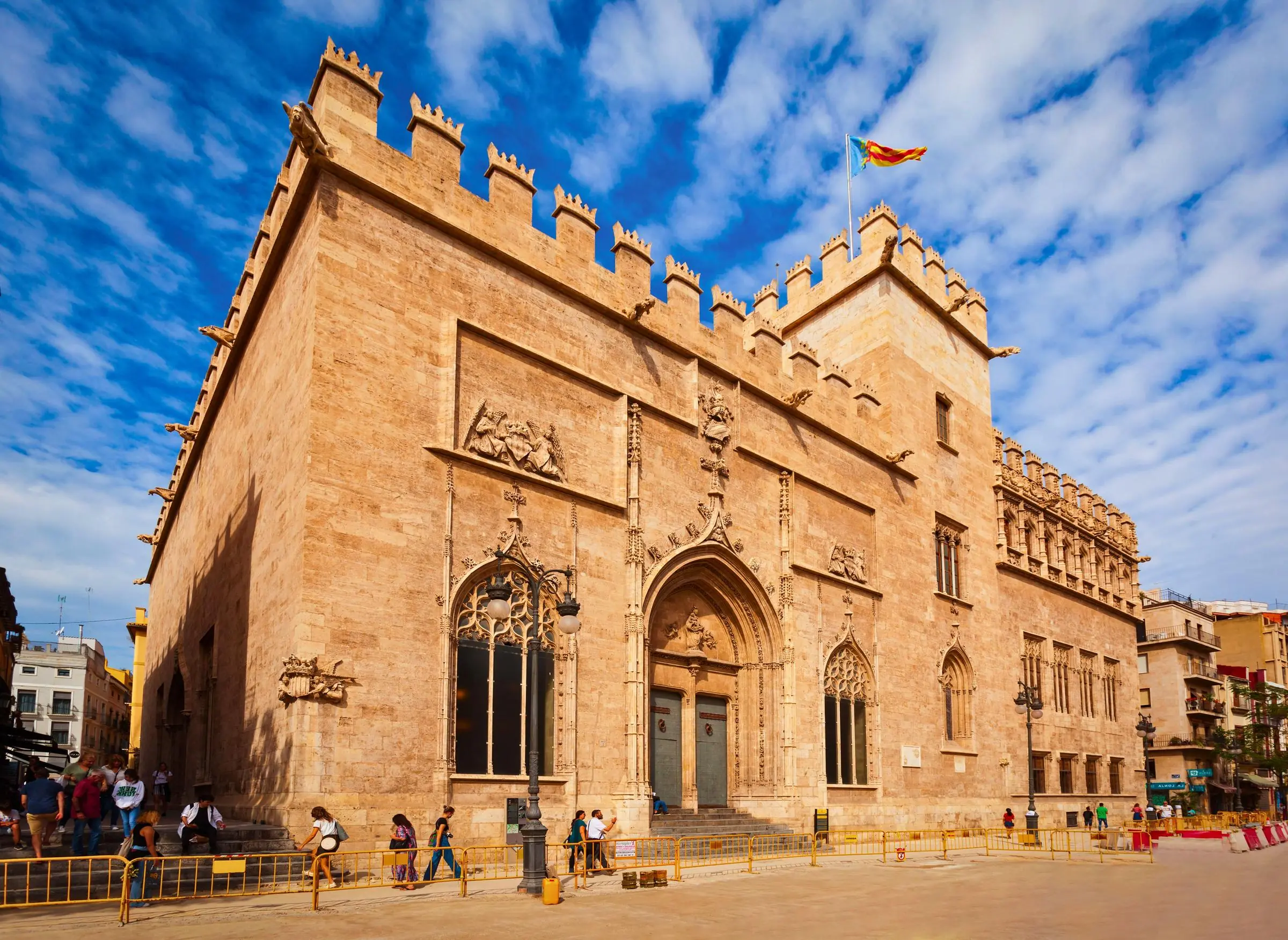
La Lonja de la Seda
Step inside the 15th-century trading hall that defined Valencia's golden age of commerce.
Before you buy your entry pass, it helps to know how this site fits into different travel styles.
- For the Time-Poor: You only need about 45 minutes to an hour here. The church is a single, large nave. You can easily pair it with a visit to the nearby La Lonja de la Seda and the Central Market in a single morning.
- For Art & History Buffs: The standard audio guide is highly detailed, breaking down the complex iconography of the ceiling. Bring a pair of binoculars or use your smartphone camera’s zoom to appreciate the brushwork up close.
- For Budget Travelers: At €16, the standalone ticket is relatively steep for a single church. If you plan to see multiple historical sites, look for combined walking tours that bundle entry fees, or consider the Valencia Tourist Card for broader city discounts.
The main entrance for tourists is not on the open Plaza de San Nicolás. Instead, you must enter through a narrow, easily missed passageway on Calle de los Caballeros, 35. Look for a small sign and a wrought-iron gate sandwiched between two storefronts.
Ticket Options: Audio Guides vs. Evening Tours
The church operates on a timed-entry system to prevent the single nave from becoming dangerously overcrowded. You have a few distinct ways to visit.
The Light of Saint Nicholas
- Includes a comprehensive multilingual audio guide (via your smartphone).
- Flexible daytime entry slots.
- Best for independent travelers who want to move at their own pace.
Guided Night Tour (Spanish)
- Access the church after general public hours.
- Live guide explaining the frescoes and history.
- Note: Currently only offered in Spanish.
Silk Exchange, San Nicolás & Cathedral
- 3-hour guided walking tour covering three major monuments.
- All entrance fees included in the price.
- Ideal for first-time visitors wanting historical context.
Which ticket should you choose?
- The standard audio guide ticket is the most efficient way to see the church.
- The audio app is well-produced and allows you to skip sections you aren’t interested in.
- The evening tour is atmospheric but limiting if you don’t speak fluent Spanish.
- Combined walking tours are great, but lock you into a 3-hour schedule.
5 Highlights Inside the Church
The church was originally founded in the 13th century on the site of a Roman temple and a later Islamic mosque. It was rebuilt in the Gothic style in the 15th century, and then completely overhauled in the late 17th century with Baroque decoration. Here is what to focus on once you are inside.
1. The Vault Paintings by Dionisís Vidal
The undisputed main attraction is the ceiling. Designed by Antonio Palomino (court painter to King Charles II) and executed by his pupil Dionisís Vidal between 1697 and 1700, the frescoes cover every inch of the Gothic vaulting.
The paintings are divided into two distinct narratives. If you look toward the left side of the nave, the frescoes depict the life and miracles of Saint Nicholas of Bari (the inspiration for Santa Claus). The right side illustrates the life of Saint Peter Martyr, a 13th-century Dominican friar. The sheer density of figures, faux-architectural elements (trompe l’œil), and vibrant blues and golds are overwhelming.
2. The Churrigueresque Main Altar
At the far end of the church sits the main altarpiece, a towering example of Churrigueresque art—a highly ornate, distinctly Spanish subset of the Baroque style. Carved from wood and heavily gilded, it features twisted columns and intricate floral motifs. The altar frames central statues of the church’s two titular saints, standing as a three-dimensional continuation of the painted ceiling above.
3. The Hidden Gothic Exterior
Because you enter through a narrow alley on Calle de los Caballeros, you miss the actual footprint of the building. After your visit, walk around the block to the Plaza de San Nicolás. Here, you can see the church’s original 15th-century Gothic exterior, including a beautiful rose window and the austere stone walls that give absolutely no hint of the Baroque explosion inside. It is a stark, fascinating architectural contrast.
4. The Historical Organs
Look up toward the choir loft near the entrance to spot the church’s historical organ. While the current instrument incorporates modern elements, the ornate wooden casing dates back to the 18th century. The church still hosts occasional organ concerts, which take advantage of the building’s heavy, echoing acoustics.
5. The Chapel of San Judas Tadeo
Along the side aisles, you will find several smaller chapels. The most culturally significant to locals is the Chapel of Saint Jude Thaddeus (San Judas Tadeo), the patron saint of lost causes and desperate situations. If you visit on a Monday, you will likely see a steady stream of Valencians coming in specifically to light candles and pray at this specific side altar, a tradition that has endured for generations.
Logistics and Local Tips
Visiting San Nicolás is straightforward, but the tight space means crowds can heavily impact your experience.
- When to Visit: The church is busiest between 11:00 AM and 1:00 PM. To avoid the worst of the neck-craning crowds, book an entry slot right when they open (usually 10:30 AM, except Mondays when they open later) or late in the afternoon around 4:30 PM.
- The Audio Guide: The standard entry ticket includes an audio guide accessed via a QR code on your smartphone. Bring your own headphones. Playing the audio out loud is strictly prohibited.
- Dress Code: This is an active place of worship. Shoulders and knees should be covered. Staff will occasionally hand out paper shawls to visitors in tank tops, but it is better to come prepared.
- Photography: Photography is allowed, but flash and tripods are strictly forbidden to protect the pigments of the restored frescoes.
- Accessibility: The main nave is wheelchair accessible via a ramp at the Caballeros entrance, though the side chapels are tight.
Keep Planning: If you are interested in Valencia’s religious architecture, read our guide to the Valencia Cathedral to see where the Holy Grail is allegedly kept.
Where to Stay Nearby
The Church of San Nicolás is located in the heart of El Carmen, the oldest and most atmospheric neighborhood in Valencia’s Ciutat Vella. Staying here puts you within walking distance of the Central Market, the Silk Exchange, and the Turia Gardens.
El Carmen is known for its narrow streets and vibrant nightlife. If you prefer a quieter stay, look slightly south toward the Ruzafa neighborhood, though you will have a 20-minute walk to reach the historical center.
Frequently Asked Questions
How long does it take to visit the Church of San Nicolás?
Most visitors spend between 45 minutes and 1 hour inside. The audio guide takes about 40 minutes to complete if you listen to every track, leaving you time to take photos and admire the details.
Is the Church of San Nicolás included in the Valencia Tourist Card?
The church is not completely free with the standard Valencia Tourist Card, but cardholders typically receive a small discount on the entry price at the door. If you want guaranteed entry at a specific time, it is better to book a standard ticket online in advance.
Can I attend Mass at the church?
Yes. The church holds regular Mass, usually in the evenings and on Sunday mornings. During Mass, tourist visits are suspended, and you cannot walk around to view the frescoes or use the audio guide. Entry for worship is free.
Why is it called the Sistine Chapel of Valencia?
The nickname comes from the sheer scale of the ceiling frescoes (1,900 square meters) and the fact that they were restored in 2016 by Gianluigi Colalucci, the same restoration expert who worked on Michelangelo’s frescoes in the Vatican’s Sistine Chapel.
Is there a combined ticket with other churches?
Yes, there is often a “Route of the Silk and the Grail” or similar combined ticket available locally that includes San Nicolás, the Silk Museum, and the Santos Juanes Church. If you plan to see all three, buying the combined pass at the first venue you visit will save you a few euros.