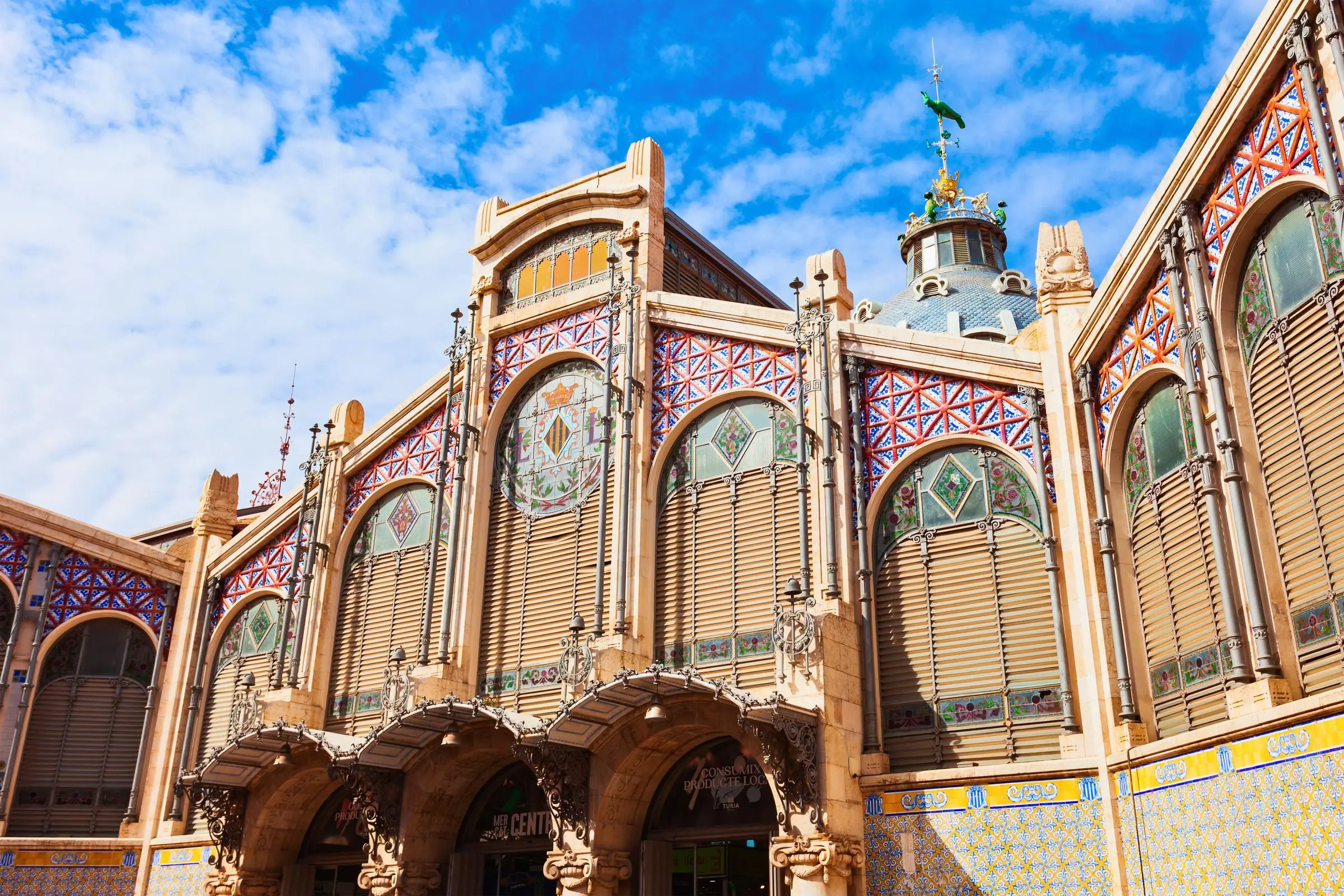
Valencia’s Mercado Central (Central Market) is not a museum, though it looks like one. Covering over 8,000 square meters, it is the largest fresh produce market in Europe. Every morning, hundreds of vendors set up shop beneath a soaring 1928 Art Nouveau canopy of iron, glass, and ceramic tiles to sell everything from live eels to saffron threads.
Despite its popularity with visitors, it remains a heavily utilized local resource. Chefs from the city’s top restaurants source their ingredients here, and residents still pull their shopping carts down the aisles. Because it is a working market, visiting requires a bit of strategy to avoid getting in the way of locals doing their daily shop, while still soaking in the atmosphere.
This guide breaks down exactly how to navigate the aisles, what to eat, and how to pair your visit with an authentic paella cooking class.
Strategies for Different Travelers
The market gets exceptionally crowded by 11:00 AM. Depending on your travel style, here is how you should approach your visit:
- For the Time-Poor: Arrive right when the doors open at 7:30 AM or 8:00 AM. The light coming through the stained glass is at its best, and you can walk the aisles without elbowing through crowds. Grab a coffee and a pastry, walk the central dome, and exit by 9:00 AM to beat the rush.
- For Budget Travelers: Skip the sit-down restaurants in the surrounding squares. Instead, buy a fresh baguette, 100 grams of jamón ibérico, some local Manchego cheese, and seasonal fruit (like Valencian oranges or flat peaches). Take your haul to the nearby Turia Gardens for a high-quality, low-cost picnic.
- For Families: The market is loud, visually stimulating, and very busy. Keep young children close, as the aisles are narrow and delivery carts move quickly. Head straight to the fish section—kids are usually fascinated by the live crabs, massive swordfish, and squirming eels.
Watch your belongings: Like any crowded market in a major European city, the Mercado Central attracts pickpockets. Keep your bags zipped and in front of you, especially when standing shoulder-to-shoulder near popular stalls or the main entrance.
5 Highlights of the Central Market
With nearly 300 stalls, it is easy to get overwhelmed. Focus your visit on these five distinct architectural and culinary highlights.
1. The Central Glass Dome
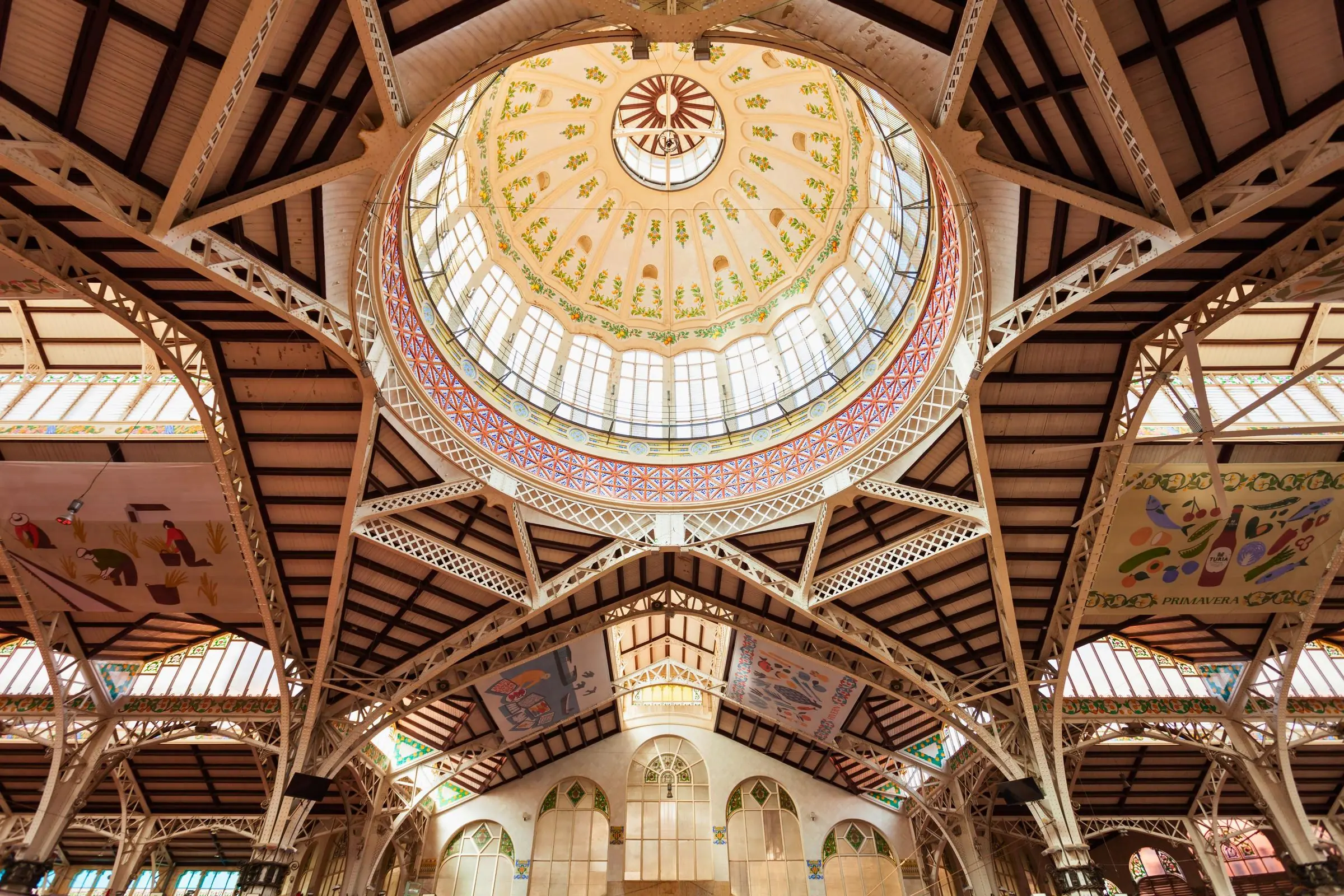
The building itself is a masterpiece of Valencian Art Nouveau (Modernisme). Designed by architects Alejandro Soler March and Francisco Guardia Vial, the structure relies on an intricate skeleton of iron. Walk to the exact center of the market and look up. The main dome rises 30 meters high, capped with a weather vane shaped like a parrot (known locally as Cotorra del Mercat), which symbolizes the constant chatter and gossip of the market. The light filtering through the stained glass panels casts a warm glow over the produce below.
2. The Jamón Ibérico Stalls
You will smell the cured meat before you see it. Whole legs of jamón hang from the ceilings of dozens of stalls. If you want to buy some to eat immediately, look for vendors offering paper cones filled with bite-sized cubes of ham and cheese.
If you are buying sliced ham for a picnic, pay attention to the labels. Jamón Ibérico de Bellota (acorn-fed) is the highest tier. Look for the black tag (pata negra), which guarantees the pig was 100% purebred Ibérico and free-range. It is expensive, so ask for just 50 or 100 grams. The vendor will slice it paper-thin right in front of you.
3. Fresh Mediterranean Fish Rows
The fish section is located in a slightly separate, lower-roofed area of the market. It is loud, wet, and incredibly active. Vendors shout out their daily catch, and locals haggle over prices. You will see ingredients essential to Valencian cuisine: massive pans of tellinas (wedge clams), fresh squid, monkfish, and the specific types of local fish used to make the broth for Fideuà (a noodle-based dish similar to paella). Wear closed-toe shoes, as the floors here are constantly hosed down.
4. Horchata Bars
Horchata de chufa is Valencia’s signature drink—a sweet, milky beverage made from tiger nuts, water, and sugar. It is served ice cold and traditionally paired with fartons (long, glazed pastries meant for dipping). While there are dedicated horchaterías throughout the city, you can find excellent, fresh horchata right at the market. Look for stalls selling it from large, chilled metal vats. It is the perfect mid-morning energy boost.
5. Exterior Ceramic Tilework
Before you rush inside, take a walk around the perimeter of the building. Valencia has a long, proud history of ceramic production, and the market’s exterior is decorated with beautiful, hand-painted tiles. The motifs reflect the purpose of the building: you will see vibrant depictions of oranges, lemons, fish, and farm animals. The tiles not only add color to the iron and brick facade but also serve as a tribute to the agricultural wealth of the surrounding La Huerta (the fertile farmlands surrounding Valencia).
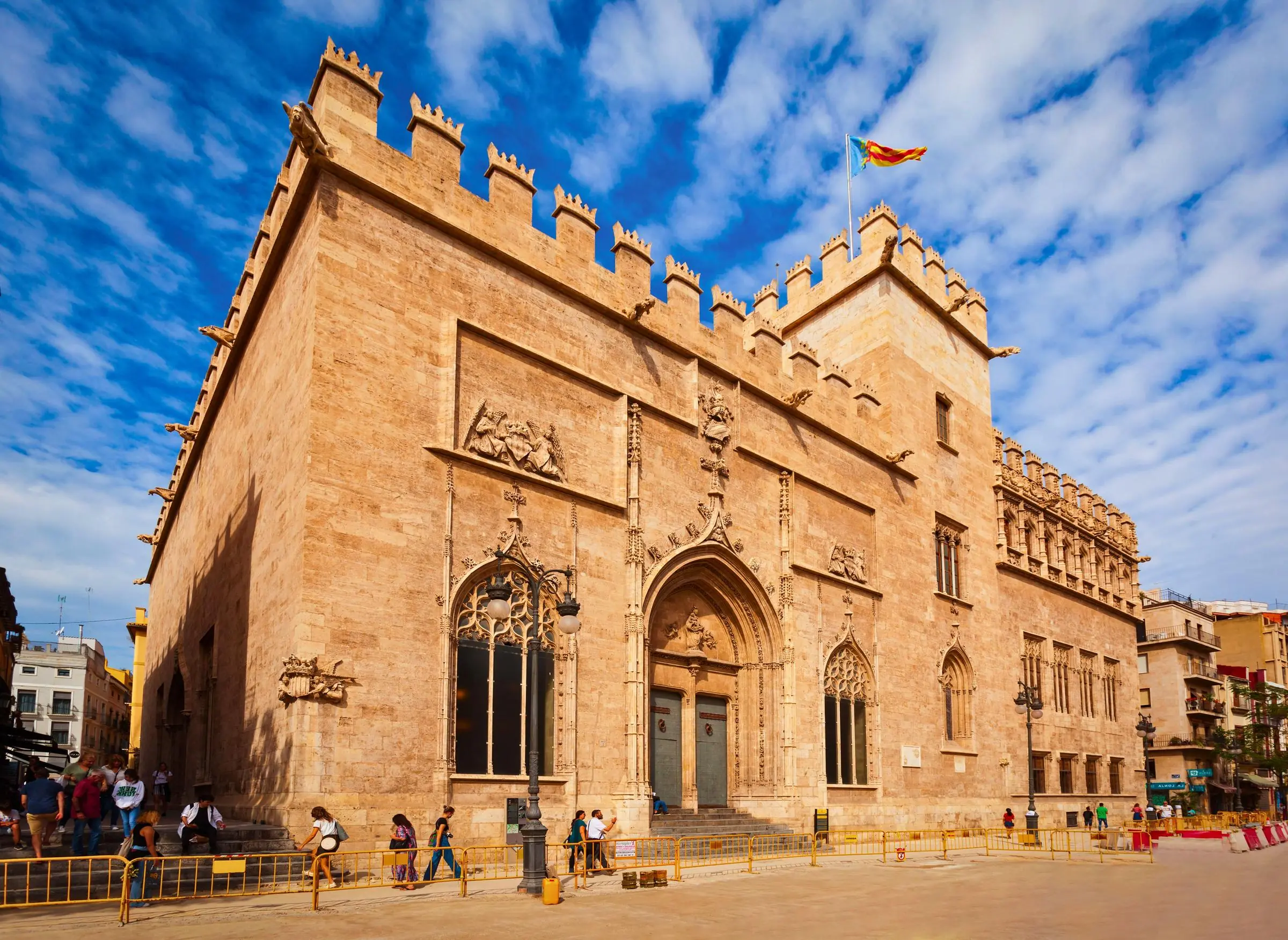
La Lonja de la Seda
Step inside the 15th-century trading hall that defined Valencia's golden age of commerce.
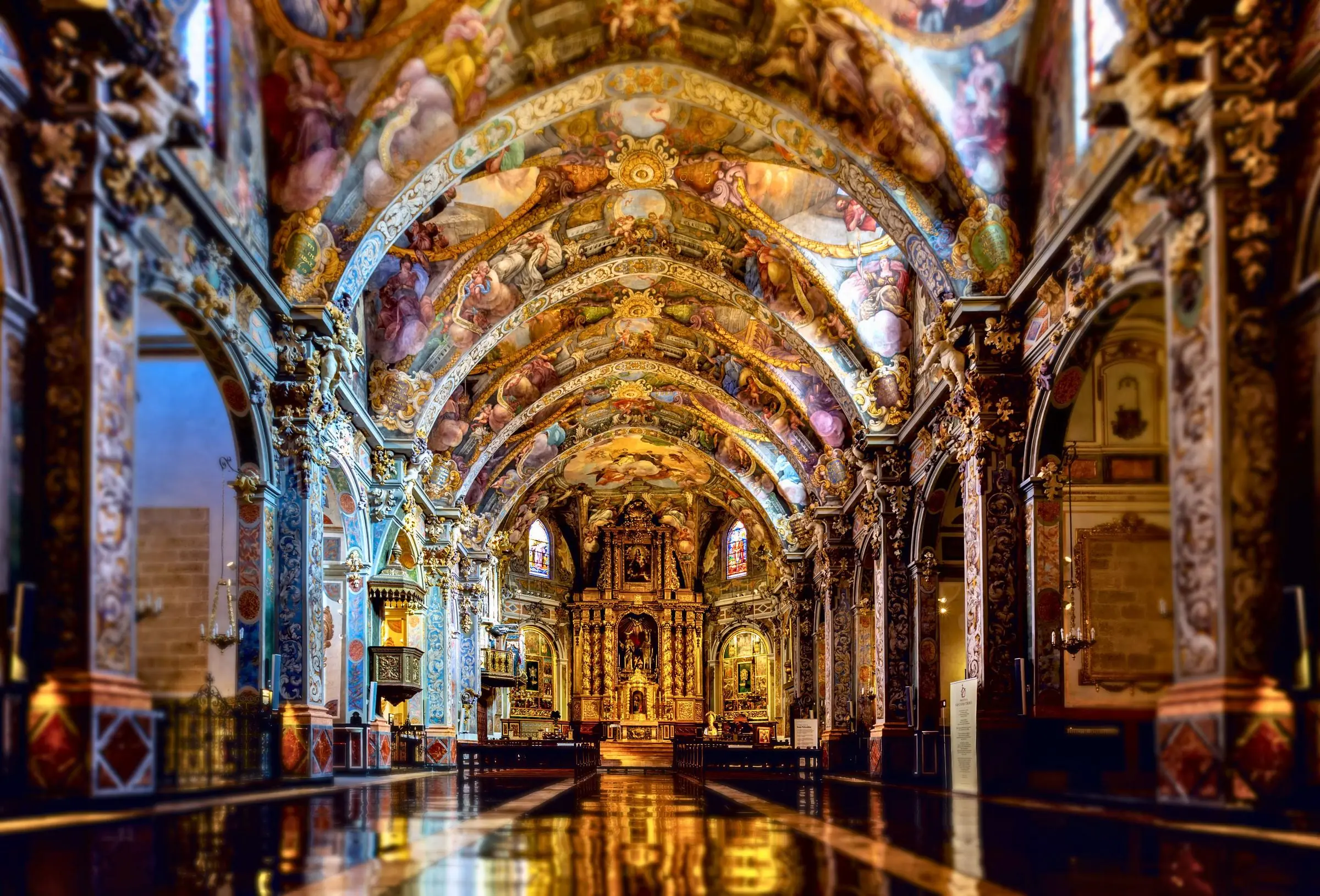
Church of San Nicolás
Navigate the narrow alleys of El Carmen to find a 15th-century Gothic church hiding 1,900 square meters of spectacular Baroque frescoes.
Early Morning Foodie Strategies & Logistics
To get the most out of the Mercado Central, you need to understand how it operates.
Opening Hours: The market is open Monday through Saturday from 7:30 AM to 3:00 PM. It is strictly closed on Sundays.
When to Go: The absolute best time to visit is between 8:30 AM and 10:00 AM. The vendors have finished setting up, the displays are fully stocked, and the heavy tourist crowds have not yet arrived. By 1:00 PM, many of the best items are sold out, and vendors begin packing up around 2:30 PM.
Cashless Tap Rules: Spain has heavily adopted contactless payments. You can use your phone or tap-to-pay card for almost everything, even a €2 coffee. However, the Central Market is one of the few places where carrying a little physical cash is still highly recommended. If you are buying a single apple or a €1.50 pastry, some older vendors prefer coins to avoid the card processing fees on micro-transactions. Keep a €10 or €20 note broken down into coins for these small purchases.
Where to Eat Inside: The most famous spot inside the market is Central Bar, run by Michelin-starred chef Ricard Camarena. They serve elevated tapas and sandwiches using ingredients sourced directly from the surrounding stalls. They do not take reservations, and the stools fill up fast. If you want to eat here, start hovering behind seated patrons around 11:30 AM to grab a spot as soon as they leave.
Pair Your Visit with a Paella Cooking Workshop
Walking through the market and seeing the ingredients is one thing; learning how to cook with them is another. Valencia is the birthplace of paella, and taking a cooking class is one of the most practical ways to understand the local food culture.
The best cooking classes actually start at the Central Market. A chef will meet you at the entrance, walk you through the stalls to buy the saffron, rabbit, chicken, and flat green beans (the authentic ingredients for Paella Valenciana), and then take you to a nearby kitchen to cook.
Paella Cooking Class with Central Market Tour
- Includes a guided shopping trip inside the Central Market
- Learn to cook authentic Paella Valenciana
- Includes tapas, sangria, and eating your creation
Evening Paella Workshop & Tapas
- Better for late risers (market visit not included as it’s closed)
- Focuses heavily on the cooking techniques and sangria making
- Great social atmosphere for couples and solo travelers
If you prefer to just eat rather than cook, you can book a guided food tour that navigates the market and surrounding tapas bars.
Market tours and cooking classes are kept to small groups (usually 10-12 people) so they can physically fit through the market aisles. They sell out days in advance during the spring and summer.
Getting There & Nearby Attractions
The Mercado Central is located in the heart of the Ciutat Vella (Old Town) at Plaza de la Ciudad de Brujas.
- By Metro: The closest metro stations are Àngel Guimerà (Lines 1, 2, 3, 5, 9) and Xàtiva (Lines 3, 5, 9). Both are about a 10-minute walk away.
- By Bus: EMT bus lines 7, 27, and 73 drop you very close to the market.
- Walking: If you are staying anywhere in the historic center, walking is the easiest option. The streets around the market are largely pedestrianized.
What to do next: Directly across the street from the market is La Lonja de la Seda, Valencia’s 15th-century Silk Exchange and a UNESCO World Heritage site. It is highly recommended to visit La Lonja immediately after your market trip. Just a 5-minute walk away is the Church of San Nicolás, famous for its spectacular frescoed ceilings.
Keep Planning: If you are figuring out how to fit the market into a broader itinerary, check out our guide to seeing Valencia in 3 Days.
Where to Stay Near the Market
Staying near the Central Market puts you right in the middle of the action. The Ciutat Vella is highly walkable, though it can be noisy at night. Use the map below to find accommodations within walking distance of the market.
Frequently Asked Questions
Is the Central Market open on Sundays?
No. The Mercado Central is strictly closed on Sundays. It is open Monday through Saturday from 7:30 AM to 3:00 PM. If you are visiting on a Sunday, you will need to find alternative plans.
Can I eat a full meal inside the market?
Yes, but seating is very limited. Central Bar by Ricard Camarena is the main sit-down option inside the market, serving excellent tapas and sandwiches. Otherwise, you can buy individual items (empanadas, sliced meats, fruit) and eat them as you walk, or take them outside to the steps of La Lonja.
Do the vendors speak English?
Many vendors, especially those selling high-end jamón, saffron, or pre-packaged tourist items, speak enough English to process a transaction. However, this is a local market. Knowing basic Spanish phrases for numbers and quantities (cien gramos, please) will go a long way.
Are there public restrooms inside?
Yes, there are public restrooms located on the lower level of the market. You usually need to pay a small fee (around €0.50), so keep some coins handy.
Is the market wheelchair accessible?
Yes. The main entrances have ramps, and the aisles are flat and paved. However, because the aisles can get extremely crowded by mid-day, wheelchair users will have a much easier time navigating the market if they arrive before 9:30 AM.
Can I buy saffron here to take home?
Yes, saffron is a popular purchase. Look for vendors selling small, sealed plastic boxes or glass jars of threads. Ensure it says “Azafrán de La Mancha” or specifies it is grown in Spain, as some stalls sell cheaper imported varieties. Expect to pay around €5 to €8 for a small gram box of high-quality Spanish saffron.